

An olive branch does something useful for an autumn table: it keeps its colour when everything else is turning. Silver-green leaves against amber glass, rust linen and a few low candles look calm rather than cold, and the arrangement never tips into fussiness. You do not need floristry experience. A handful of stems, one good vessel and a little restraint will carry you through Sunday lunch, a birthday supper or the whole of October.
Why Olive Earns Its Place in Autumn
Most autumn styling leans on dried grasses, hydrangeas and berries. All of those bring warmth; none of them bring much contrast. Olive is the counterweight. Its leaves are matte and slightly grey, which makes the orange, ochre and red tones around them read richer rather than louder.
Olive is also generous with space. The branches are airy enough that guests can see each other across the table, which is more than can be said for a dense low bouquet. And they are forgiving. A single arching stem in a plain jug looks deliberate; three laid flat along a runner look effortless.
Fresh branches will hold for a few weeks in water if you look after them. Dried or preserved stems keep their colour for months, provided you keep them out of direct sun and away from radiators. Decide which you want before you buy: fresh for a specific occasion, dried for a look you can leave in place from September to November.
Branches and Vessels: Getting the Base Right
The vessel sets the tone before anyone notices the foliage. A low stoneware bowl, a footed urn, a terracotta pot on a saucer, an old white jug — all work. What matters is proportion. If the arrangement sits above eye level, move it to the sideboard, or use a tall narrow vase that can be lifted clear once the food arrives.
A few practical points worth knowing:
- Cut fresh stems at an angle and strip the lower leaves so nothing sits in the water.
- Stand them in lukewarm water and change it every two or three days.
- Keep dried stems dry. Water or misting will make them drop.
- Steady long branches with a fistful of chicken wire or a pin holder in the base of the vessel.
- If you are using a runner, lay one long branch horizontally and build upwards from the middle.
An Autumn Palette That Suits Olive
Olive works with almost anything warm, but the combination is easier if you limit yourself to three colours plus a neutral. Pick one pairing and repeat it in the linen, the candles and the glassware so the table feels intentional rather than assembled.
- Amber and ochre. Beeswax candles, mustard linen napkins, brass candlesticks, honey-coloured glass.
- Rust and copper. Terracotta pots, a copper jug, burnt-orange velvet ribbon around the napkins.
- Plum and aubergine. Damson-coloured napkins, dark glass, a deep purple candle in a plain holder.
- Mushroom and stone. Undyed linen, grey stoneware, off-white pillars, no metal at all.
- Charcoal and slate. Matte black candlesticks, a dark grey runner, olive allowed to do all the talking.
Linens, Layering and Texture
Start with the cloth. Washed linen in oatmeal, stone or soft rust is the easiest base; it creases, which helps an informal table look relaxed rather than sloppy. A runner over bare wood is the better choice if your table has a good grain, and a wool or herringbone tweed runner adds a country note that suits older dining rooms.
Texture matters more than pattern here. Slubby cotton, raw linen and brushed wool all sit comfortably beside matte leaves. If you want a print, keep it to one element — a striped runner or patterned napkins, not both — and let the olive branches stay plain.
Napkins are where you can be generous. Fold them loosely, then lay a short sprig of olive across each one and tie it with garden twine. It takes a couple of minutes, and it makes every place setting look as though someone thought about it. A sprig tucked into a napkin ring works just as well if you already have rings you like.
Candles: Warmth Without the Clutter
Candles should sit below the line of sight so people can talk across them. Tapers in brass or iron holders are the classic choice; pillars on small saucers or in glass hurricanes are steadier and suit a long table. Odd numbers look better than even, and varying heights by a few centimetres stops the arrangement looking like a row of identical posts.
Keep scent off the dining table. A fragranced candle will compete with the food, so use unscented wax while you eat and save anything perfumed for the hallway or the sitting room afterwards. Trim wicks to about a centimetre before lighting, and never leave candles burning unattended.
Dried olive leaves are flammable. Keep flames well clear of foliage, and never place a candle directly beneath an overhanging branch.
Three Tables to Try This Season
The long Sunday table
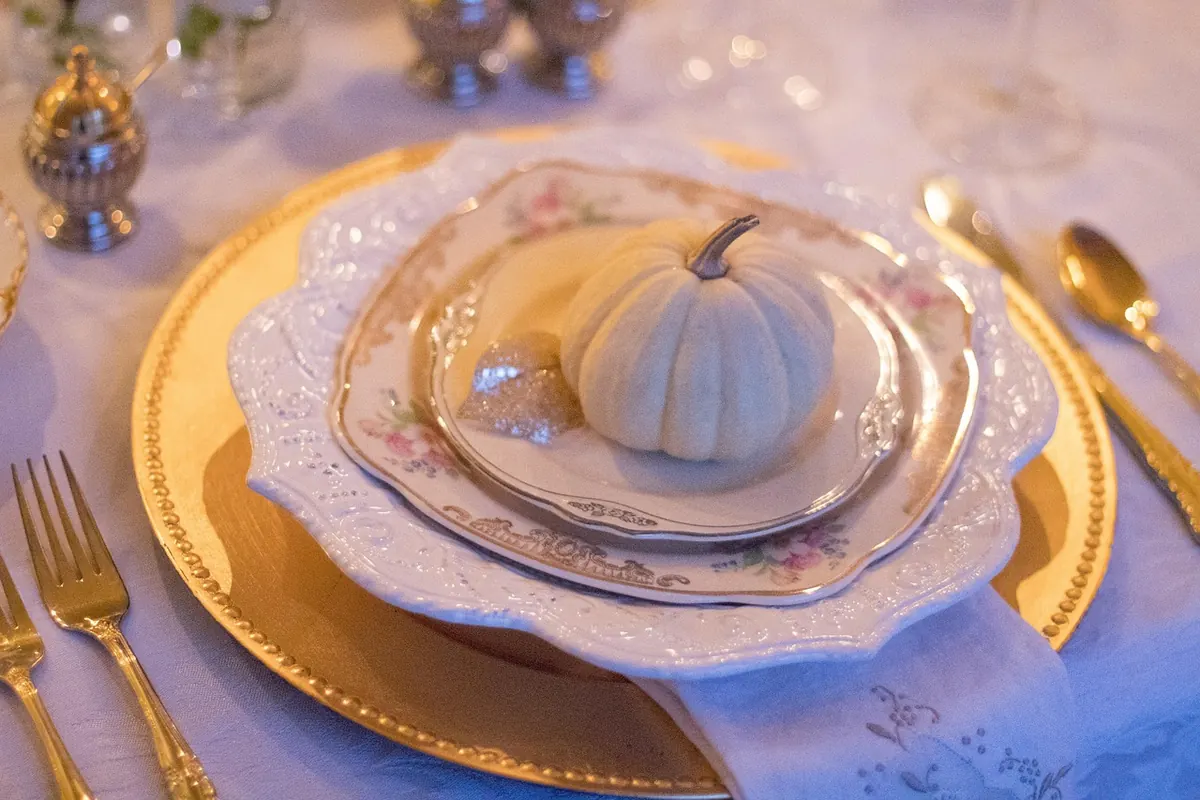
Run two or three olive branches end to end down the centre, overlapping slightly, with a pair of low candles between them. Add a single line of small pears or figs along the runner. Keep plates plain white or off-white so the food and the foliage carry the colour. This is the setup that survives a roast, a pudding and a long conversation without being rearranged.
The small round table
One vessel, one branch. A short stem in a small stoneware pot, placed slightly off-centre, leaves room for serving dishes. Cluster three candles on one side and leave the other side clear. Round tables look best with height rather than width, so let the branch arch upwards instead of spreading.
The drinks table or sideboard
This is the place to be a little more theatrical. A tall vase with three or four stems, a dark glass decanter, a couple of amber tumblers and a small dish of olives. Add a folded linen cloth under the vase to soften the surface. It is the first thing guests see when they walk in, and it takes five minutes to put together.
A Ten-Minute Checklist Before Guests Arrive
- Refresh the water, or give dried stems a light shake outdoors to remove dust.
- Check that nothing blocks the view across the table, and move tall pieces to the sideboard.
- Trim candle wicks and light them just before people sit down.
- Add one small seasonal detail: a few walnuts, a sprig on each napkin, a dish of olives.
- Step back to the doorway and look. Remove one thing. The table will look better for it.
Olive branches are at their best when they are not trying too hard. Let them sit quietly among warm colours, soft linens and steady candlelight, and the table will feel ready long before the first plate arrives.
Photo: TerriC / Pixabay